


Research Areas
Animal Biotechnology
Ongoing Projects
GCRF One Health Poultry Hub
 Population growth is driving global demand for poultry, meat and egg production that creates conditions in which animal diseases can spread to humans (‘zoonoses’). High stocking densities, fast turnover, genetic homogeneity, complex transport/trading networks, live bird markets, poor biosecurity and inappropriate use of antimicrobials or vaccine play roles in host-pathogen evolution and increased virulence, vaccine/antimicrobial resistance and broadened host range. The zoonotic pathogens of interest include avian influenza (sometimes called ‘bird flu’) viruses, bacteria that cause food poisoning (known as food-borne pathogens) and carry antimicrobial resistance (AMR).
The GCRF One Health Poultry Hub aims to adopt a ‘One Health’ approach to combat the issue of animal-to-human diseases. This multinational project involves total 25 organizations from 7 countries and study sites in 4 countries viz. India, Sri Lanka, Bangladesh, Vietnam. The project is aimed to achieve sustainable global intensification of poultry meat and egg production with reduction in risk to human and animal health as well as welfare. The project is also aimed at establishing a specific causal connection between socio-economics; human behaviour, pathogen evaluation and disease transmission. The host-pathogen interaction dynamics in relation to epidemic avian influenza, antimicrobial resistance and food borne zoonoses will be evaluated across various countries.
Ameliorating Antimicrobial Drug Resistance and Augmenting of Fertility through Probiotic Microbiome Intervention in Postpartum Bovine
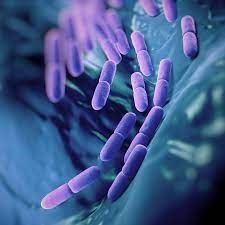
Metritis in postpartum bovine is a serious problem affecting the conception rate and fertility leading to economic loss to the dairy industries. The infection is initiated by E. coli which is then worsened by other pathogens such as Bacteroides, Trueperella pyogenes, Prevotella spp., Fusobacterium necrophorum, etc. Antibiotic and hormonal treatments are given either alone or in combination of good nutrient regime to maintain homeostasis. However, prolonged use of antibiotics poses a risk of antibiotic residues in milk and increased antimicrobial drug resistance. Resident Lactic Acid Bacteria (LABs) can provide a better solution to combat such pathogens by competing for the ecological niche and by producing natural antimicrobial compounds such as bacteriocins. Metagenomic analysis of uterine and vaginal samples would provide the insight into species-specific resident microbiome and pathogens. Thus, this project aims for culture dependent isolation and enrichment of good probiotic bacteria showing effective antagonism of causal pathogens to design a suitable formulation for treatment of metritis in local cattle population and culture-independent identification of microflora.
Development of Inactivated Canine Distemper Virus Vaccine of Strain Isolated from Asiatic Lions of Gujarat, India
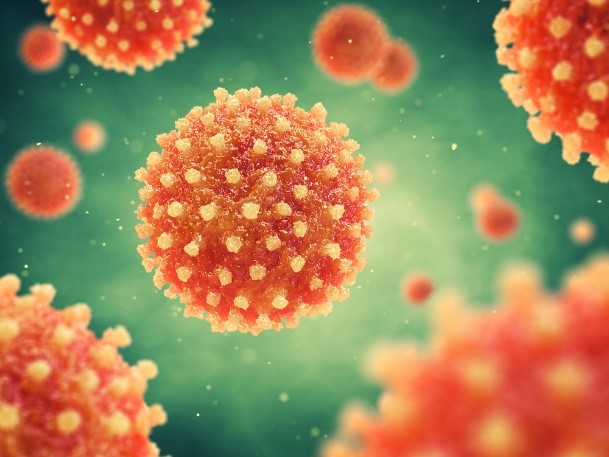
In the previous project of checking seroprevalence of Canine Distemper Virus in Asiatic Lions of Gir, Gujarat, GBRC found out that the commercially available vaccine for CDV is not compatible for the isolated strain of CDV from lions of Gir forest. This project was proposed for vaccine development using the specific strain isolated from Asiatic Lions along with Hester Biosciences Ltd. The project aims to adapt CDV strain in cell culture (MDCK, Vero/dSLAM, and B95-8) to increase virus titer, to develop inactivated virus vaccine and prepare its formulation, to perform immunization study in animals and evaluate safety, efficacy and potency of vaccine.
Translational Applications for Therapeutics from Veterinary and Allied Microbials (TATVAM)
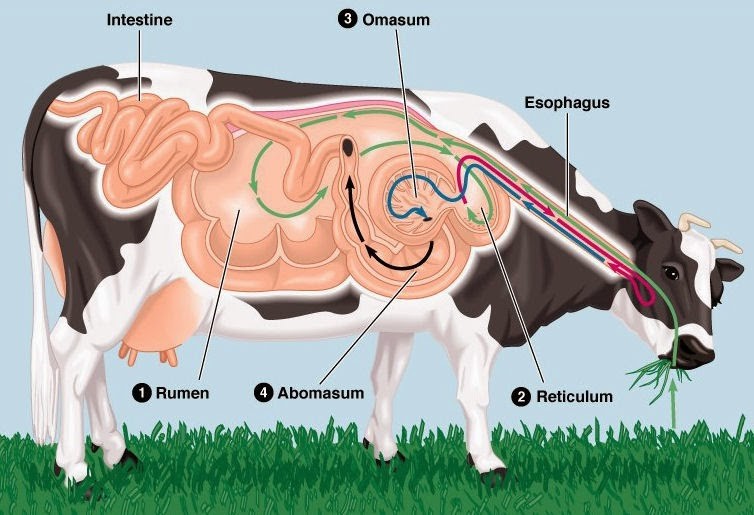
TATVAM aims to improve the Indian agriculture with an objective of utilizing facilities for the production and assessment of livestock microbiome for potential enzymes and probiotic development. The mandate of TATVAM is to converge the presently distant research, industry and regulatory requirements to foster value-added products with special attention to livestock allied microbial biocules, enzymes and probiotics by screening potent genes using advanced next generation molecular techniques. The objectives of the project are to develop a repertoire of rumen originating efficient agro industrially important enzymes, to culture and characterize different anaerobic as well as facultative anaerobic ruminal microbes (bacteria & fungi) for biocules screening pertaining to agro industrial applications, to harness the potential of ruminal microbes to convert agro waste into animal feed, toxicity assessment, formulation and large scale production for field applications and to develop a potential probiotic consortium.
Development of Pheromone based method for estrus detection in buffalo
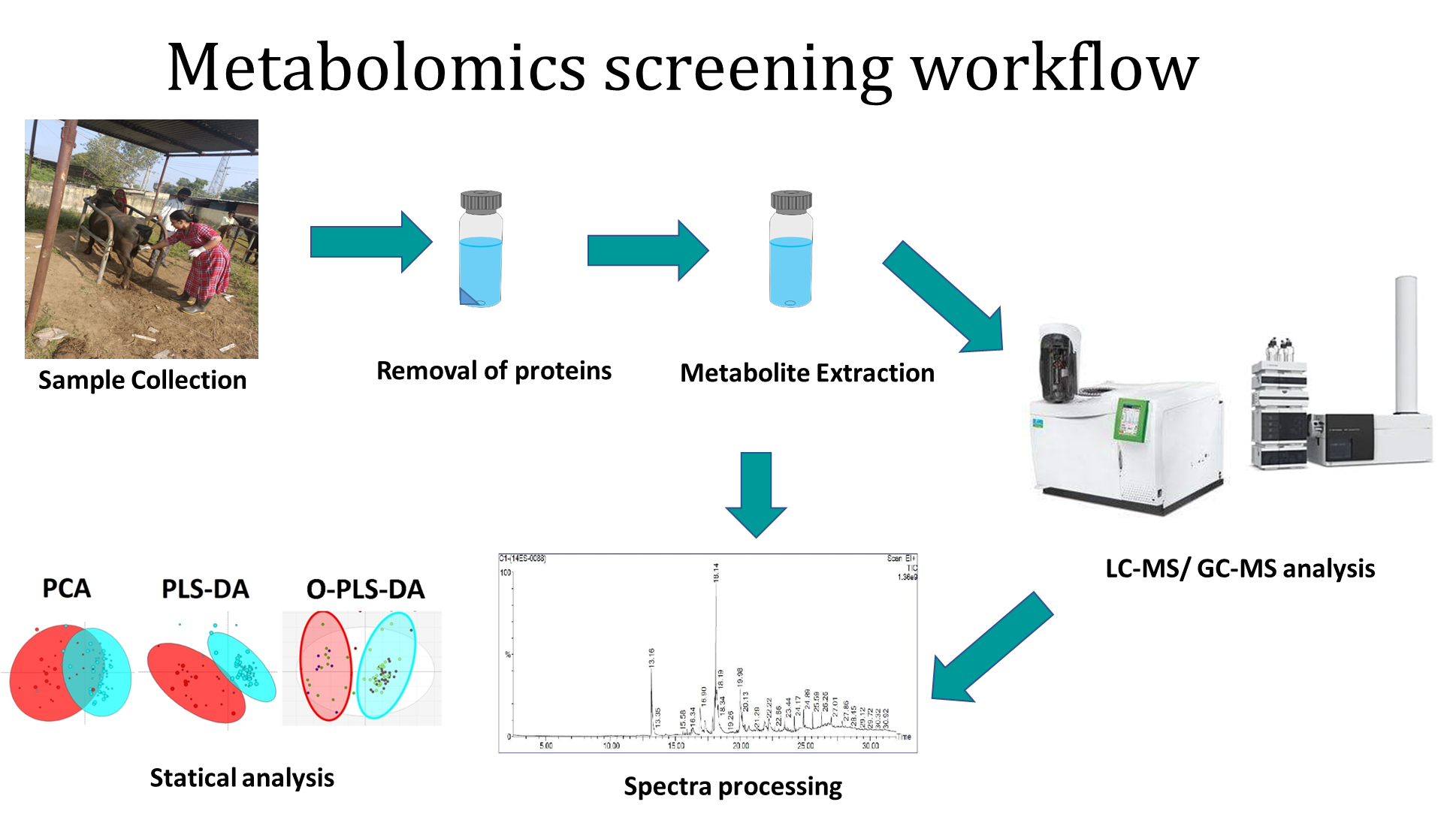
Indian subcontinent is a rain fed agriculture based developing country having a large population size of more than 120 billion people. To sustain a huge population food becomes an important factor. India is continuously working on increasing the yield of food from both the plant and animal based food industry. To increase the production of milk and milk based products it becomes very important to inseminate the animal during the ovulation period. The present method of the determination is mainly based on experience of the veterinarian and subclinical symptoms. However, these methods are not full proof and there is a chance of failure of artificial insemination. There is a need to develop species specific methods to determine the estrus. Buffalo is a silent heat animal and it doesn’t show estrus specific signals which are predominant in cattle. Hence there is a need to develop methods to detect estrus phase in buffalo in the field. The project aims to develop a field based application method/device to detect the estrus in buffalo. We are using GC-MS and LC-MS based untargeted metabolomics along for the discrimination of the estrus phase. The data recorded in these mass spectrometers are analyzed using various R packages and open source software such as Metaboanalyst.
Completed Projects
Seroprevalence of Canine Distemper Virus in Asiatic Lions of Gir, Gujarat

The project genesis was based on the death of 26 Lions in Gir East forest - Jasdhar range till 30/10/2018. GBRC was involved in testing of blood, tissue and swab samples received from the range for diagnostics purpose. It was observed that the genome sequence of canine distemper virus (CDV) from the infected lions differed from the reference genomes available on NCBI and the sequence used to develop vaccine. In context to the same, it was proposed to study other canine and feline animals in the nearby regions for checking presence of this particular strain of the virus. The objectives of the project were: To identify seroprevalence of CDV in canine and feline species in Gir through antigen and antibody, to estimate the antibody titer in positive samples and to confirm the antigen using PCR and measurement of antigen load using real time PCR.
Total 303 swab samples were tested for antigen, 398 blood/serum samples were tested for antibody detection and 284 animal tissues were processed for antigen quantification through PCR. The isolated strain of CDV was sequenced and the vaccine available in market “Purevax” was sequenced to assess its relatedness and around 6-8% variation between the two was found.