


Research Areas
Bioprospecting of Mangroves
Mangroves make up one of the biggest and diverse marine ecosystem on the earth. Gujarat has a shoreline of around 1600km and hosts a diverse ecosystem of Gulfs, Creeks, and open sea. Gujarat has two Major Gulfs, viz. Gulf of Kachchh and Gulf of Khambhat (Cambay). Mangroves form one of the most unique intertidal ecosystems in tropical and subtropical regions of the world playing an essential roles in providing habitats for aquatic animals, degrading contaminants and protecting the coast. Looking at the mangrove cover of Gujarat, it ranges from westernmost region of Lakhpat, Bhuj to Southernmost area of Umbergaon, Vapi. Gulf of Kachcch (GoK) houses the first Marine National Park and Sanctuary comprising of about 42 areal islands, coral reefs, and contiguous to land areas declared as protected areas.
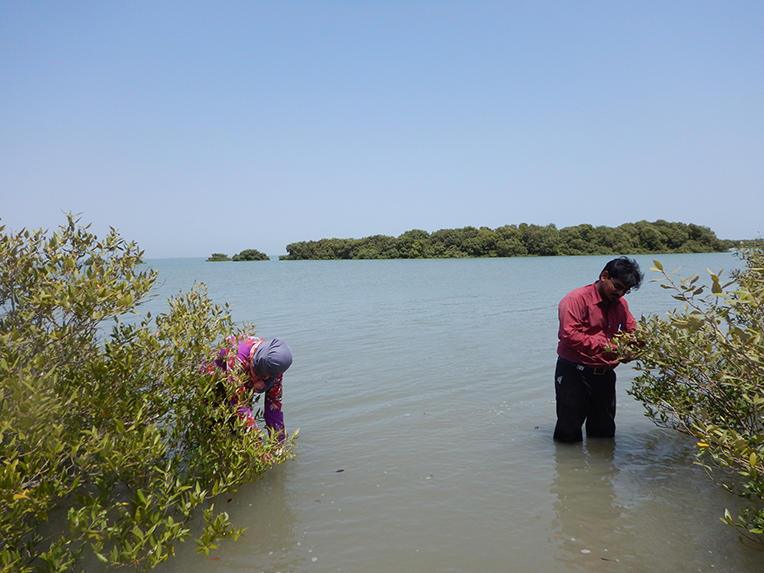
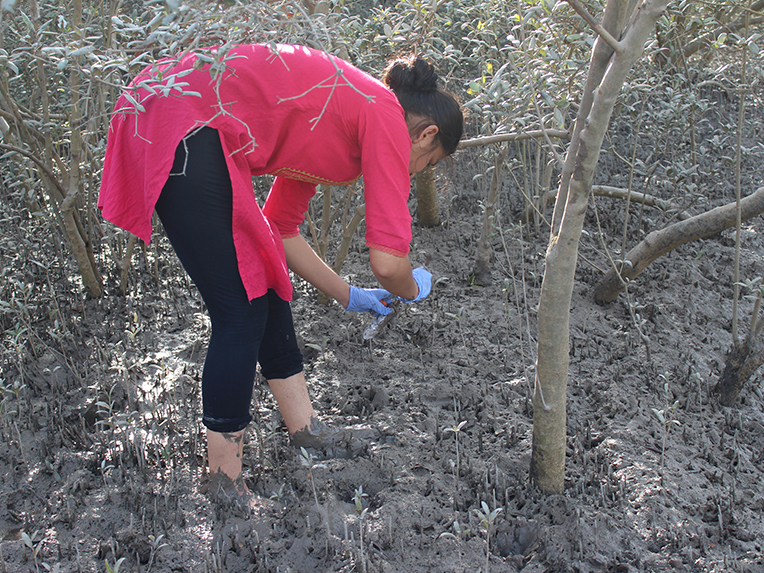
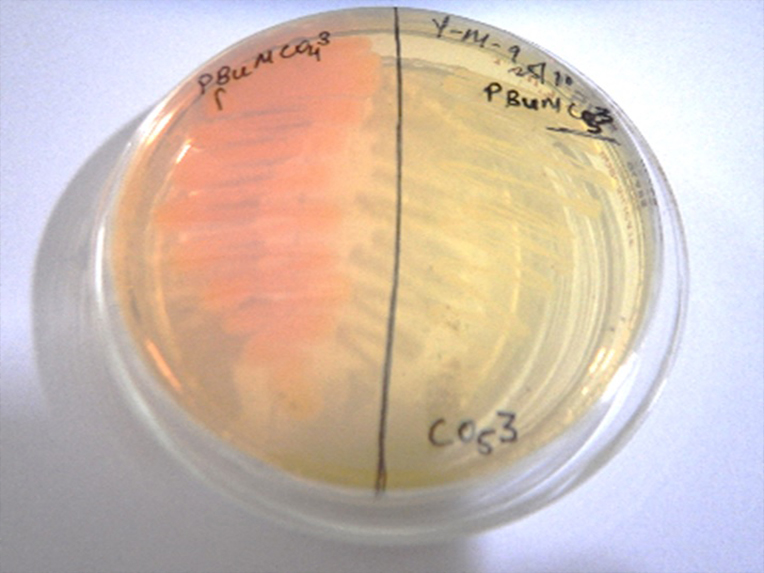
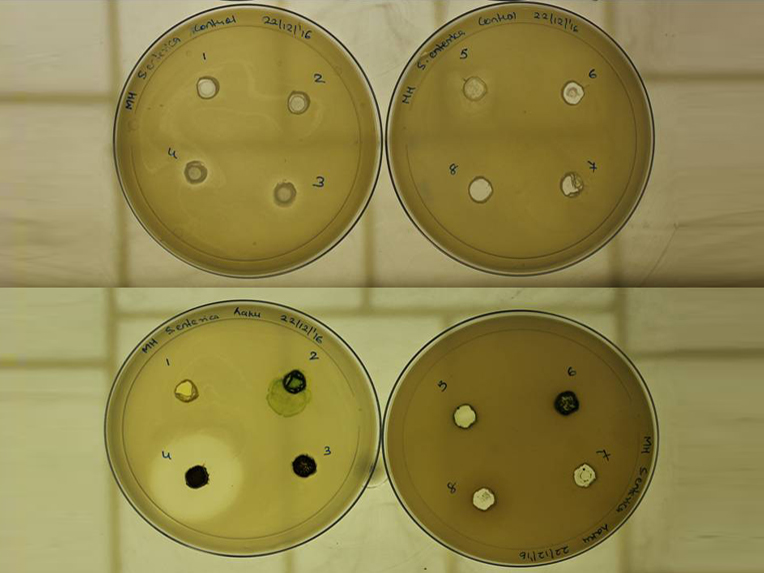
Mangroves are one of the most important part of Marine Ecosystems and are Breeding grounds and nursery for many of the important marine organisms. Mangroves are an important source for various compounds having varied bioactivity and their medical properties have been of importance in folklore. Bio-activity of the extracts of the various parts of Mangrove plants was checked against various human pathogens
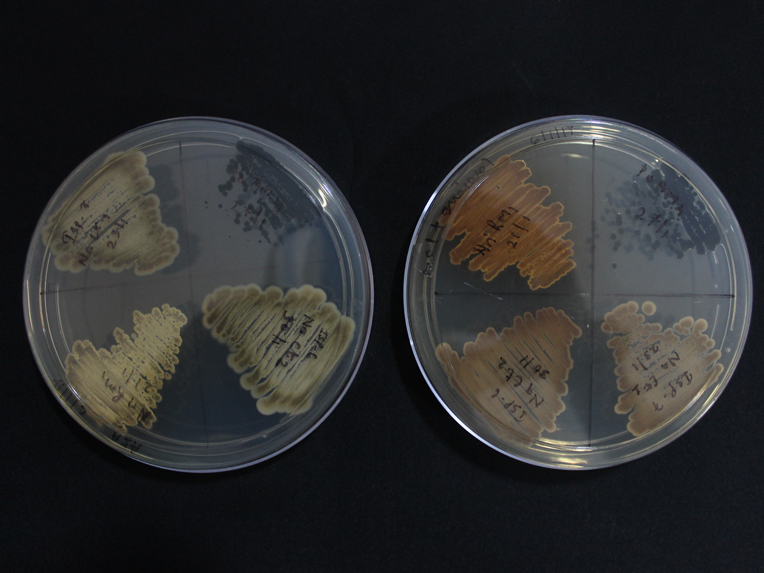
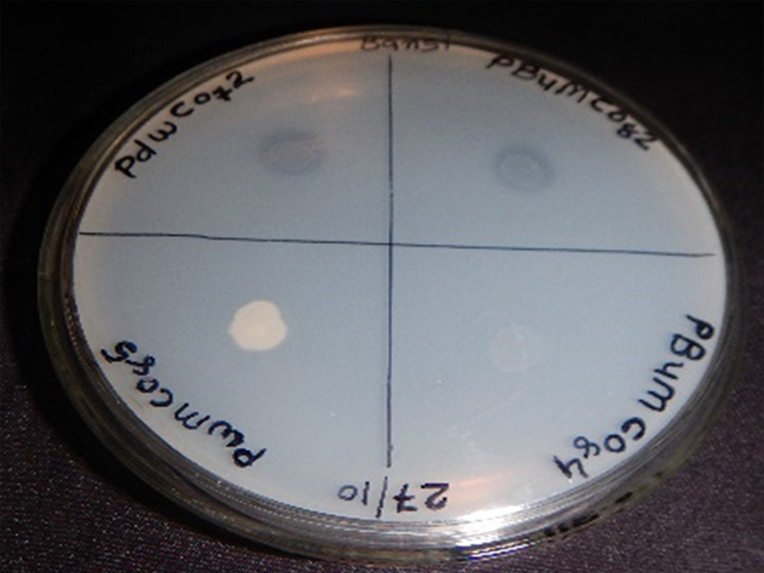
Mangroves are the plants that are adapted to intertidal zones and are subjected to highly variable physicochemical conditions of salinity, flooding, light, temperature and nutrient, which give rise to the high bacterial diversity that characterizes mangrove ecosystems. These are diverse microbial communities with halophilic and alkalophilic properties. Marine bacteria and Actinomycetes are potent source of enzymes like Laccase (A lignolytic enzyme with wide applications in Waste Water treatment, Dye degradation, Paper industry etc.) Phytase (A potent Phytic acid solubilizing enzyme important in the Animal Feed industry) and L-Asparaginase (An Anti-cancer enzyme)