


Research Areas
Development of efficient diagnostics and therapeutics for Leptospirosis
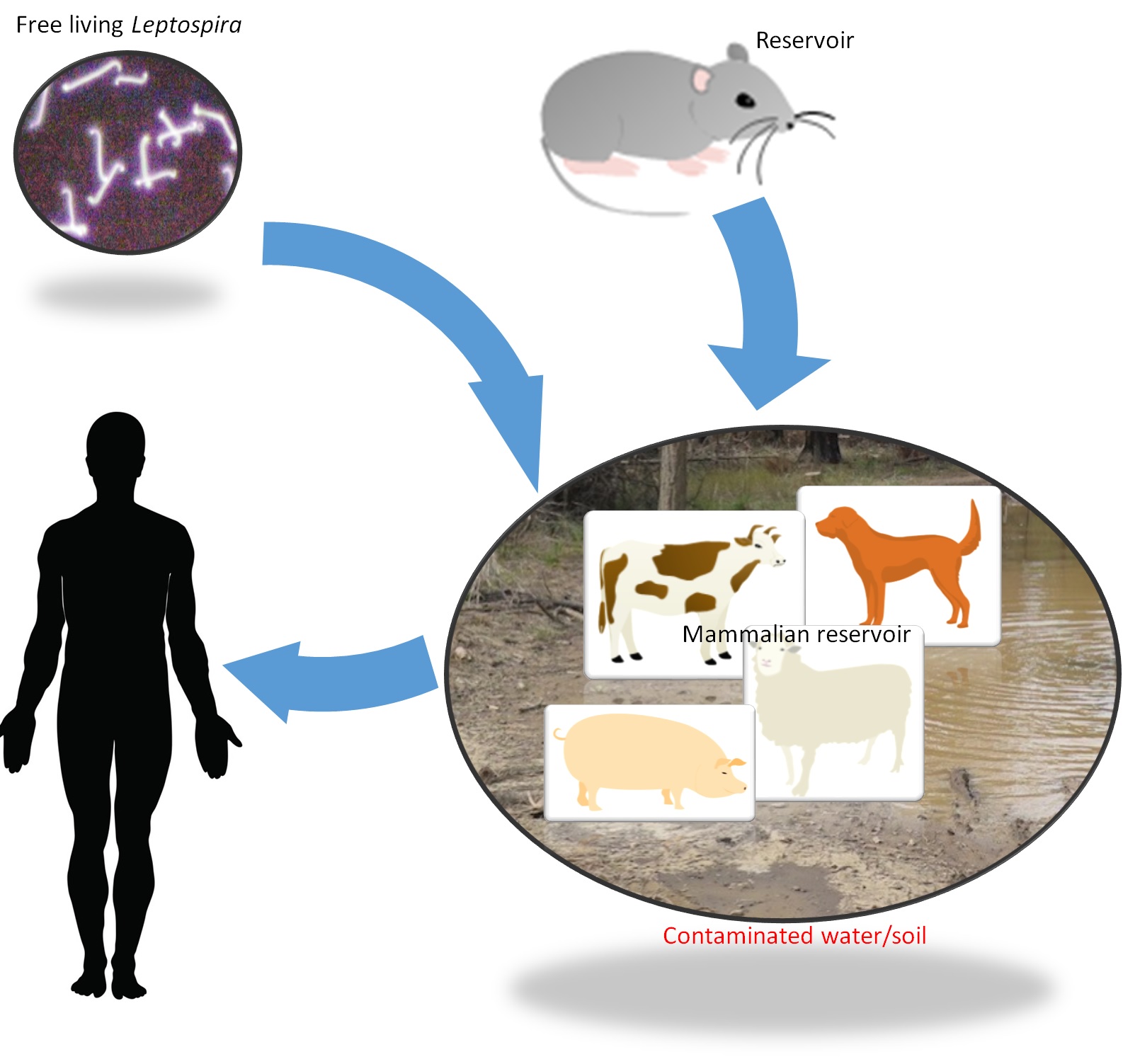 Leptospirosis is an emerging potentially fatal zoonosis with a worldwide occurrence spanning developing as well as developed countries. Annually, 1.03 million cases are reported globally with ∼60 000 deaths with highest morbidity in the resource poor settings and where no routine surveillance is performed. Most notable outbreaks have occurred in countries like Nicaragua, Brazil and India, the USA and South-East Asia Region countries (WHO South-East Asia Region report). In India, most outbreaks of leptospirosis are reported from the coastal regions of the states of Gujarat, Maharashtra, West Bengal, Kerala, Tamil Nadu, Karnataka and the Andaman Islands. The cases are reported from the Southern part of Gujarat during monsoon season including Surat and Valsad districts of Gujarat. The disease is caused by pathogenic species of Leptospira and can get transmitted to human by direct contact with reservoir hosts or via exposure to surface water or soil contaminated with their urine. Both wild and domestic animals can serve as reservoir hosts of Leptospira; however, animals such as rodents, pigs, cows, dogs and horses are the most common hosts and sources of infection to humans. Leptospirosis is predominantly an occupational disease where agricultural workers, veterinarians and mineworkers are mainly at risk because of their exposure to contaminated water, soil and infected animals during their regular activities. The clinical symptoms of leptospirosis in humans are diverse, ranging from mild fever, chills, flu-like illness, headache, muscle aches, to acute disease form known as Weil’s syndrome. The acute form is characterized by multiple organ complications, including acute renal and hepatic failure, cardiovascular collapse, jaundice, meningitis, pneumonitis and pulmonary haemorrhage, which in turn can lead to death. Also, the disease has a major economic impact on the agricultural industry and companion animals, since it affects the livestock inducing abortions, infertility, stillbirths, reduced milk production and death, especially in developing countries. These alarming reports underline the continued risk this disease poses at this hour.
Challenges/Problems
- Clinical presentation of diseases is not specific
- Leptospirosis is under-reported in many countries because of difficult clinical diagnosis and the lack of diagnostic laboratory services.
- Misdiagnosis is frequent because of mimicking of symptoms with other unrelated infections such as influenza, meningitis, hepatitis, dengue, or other viral hemorrhagic fevers
- Current diagnostic methods are mainly dependent upon lab results which may also have low sensitivity during early phase of disease as most of the available tests detect antibodies.
- No universal vaccine is available for humans
- Presence of multitude of serogroup/serovars imposes a challenge for current diagnostic and therapeutic methods used
To overcome these problems there is need to understand the pathogenesis/biology of Leptospira for development of efficient diagnostics and therapeutics. So our group is involved in widened strategies for tackling the disease using genomics, proteomics and bioinformatics approach, which would pave way for development of intervention strategies to alleviate the toll leptospirosis takes. To take a step forward we developed a compendium covering meta-information (LeptoDB: http://leptonet.org.in) pertaining to Leptospira and also exploited the proteome of pathogenic spp. of Leptospira to identify the immunogenic proteins which could be further used as effective vaccine candidates. Since, deciphering the pathogen-host interactions is also the need of the hour therefore systems biology approach has been applied to identify promising diagnostic and therapeutic targets. Extensive efforts are being put in by the team by employing multidisciplinary approach to find a signature which can be translated to a product of societal importance keeping one-health perspective to successfully combat the challenges of the disease.